
一呼百应
多地博物馆启动陈列展览内容自查校对:展板内容逐字通读,及时修正_我的网站

A | WASHINGTON -- With the growing popularity of disposable e-cigarettes, communities across the U.S. are confronting a new vaping problem: how to safely get rid of millions of small, battery-powered devices that are considered hazardous waste.For years, the debate surrounding vaping largely centered on its risks for high school and middle school students enticed by flavors like gummy bear, lemonade and watermelon.But the recent shift toward e-cigarettes that can’t be refilled has created a new environmental dilemma. The devices, which contain nicotine, lithium and other metals, cannot be reused or recycled. Under federal environmental law, they also aren’t supposed to go in the trash.U.S. teens and adults are buying roughly 12 million disposable vapes per month. With little federal guidance, local officials are finding their own ways to dispose of e-cigarettes collected from schools, colleges, vape shops and other sites.“We are in a really weird regulatory place where there is no legal place to put these and yet we know, every year, tens of millions of disposables are thrown in the trash,” said Yogi Hale Hendlin, a health and environmental researcher at the University of California, San Francisco.In late August, sanitation workers in Monroe County, New York, packed more than 5,500 brightly colored e-cigarettes into 55-gallon steel drums for transport. Their destination? A giant, industrial waste incinerator in northern Arkansas, where they would be melted down.Sending 350 pounds of vapes across the country to be burned into ash may not sound environmentally friendly. But local officials say it’s the only way to keep the nicotine-filled devices out of sewers, waterways and landfills, where their lithium batteries can catch fire.“These are very insidious devices,” said Michael Garland, who directs the county’s environmental services. “They’re a fire risk and they’re certainly an environmental contaminant if not managed properly.”Elsewhere, the disposal process has become both costly and complicated. In New York City, for example, officials are seizing hundreds of thousands of banned vapes from local stores and spending about 85 cents each for disposal.HAZARDOUS WASTEVaping critics say the industry has skirted responsibility for the environmental impact of its products, while federal regulators have failed to force changes that could make vaping components easier to recycle or less wasteful.Among the possible changes: standards requiring that e-cigarettes be reusable or forcing manufacturers to fund collection and recycling programs. New York, California and several other states have so-called extended product responsibility laws for computers and other electronics. But those laws don't cover vaping products and there are no comparable federal requirements for any industry.Environmental Protection Agency rules for hazardous waste don’t apply to households, meaning it's legal for someone to throw e-cigarettes in the garbage at home. But most businesses, schools and government facilities are subject to EPA standards in how they handle harmful chemicals like nicotine, which the EPA considers an “acute hazardous waste," because it can be poisonous at high levels.In the U.S., the push to manage disposable e-cigarettes has chiefly come from schools, which can face stricter regulation if they generate more than a few pounds of hazardous waste per month. Monroe County schools pay $60 to dispose of each one-gallon container of vapes. More than two thirds of the e-cigarettes collected by the county come from schools.“Our schools were very relieved because they had confiscated so much of this material,” Garland said. “If you think of all the high schools across the country, they are in a very difficult place right now.”Lithium in e-cigarette batteries is the same highly sought metal used to power electric vehicles and cellphones. But the quantities used in vaping devices are too small to warrant salvage. And nearly all disposable e-cigarette batteries are soldered into the device, making it impractical to separate them for recycling.Disposable e-cigarettes currently account for about 53% of the multi-billion U.S. vaping market, according to U.S. government figures, more than doubling since 2020.Their rise is a study in unintended consequences.In early 2020, the Food and Drug Administration banned nearly all flavors from reusable e-cigarettes like Juul, the cartridge-based device blamed for sparking a nationwide surge in underage vaping. But the policy didn't apply to disposables, opening the door to thousands of new varieties of fruit and candy-flavored vapes, almost all manufactured in China.In recent months the FDA has begun trying to block imports of several leading disposable brands, including Elf Bar and Esco Bar. Regulators consider them all illegal, but they have been unable to stop their entry to the U.S. and the devices are now ubiquitous in convenience stores, gas stations and other shops. FDA’s tobacco chief, Brian King, said in a statement that his agency “will continue to carefully consider the potential environmental impacts” of vaping products.THE COST OF CONFISCATING DISPOSABLE E-CIGARETTESIn 2020, New York City outlawed the vast majority of e-cigarette types, banning flavors that can appeal to youngsters.City employees conduct thousands of inspections annually, and last year issued more than 2,400 citations to corner stores and bodegas selling illegal flavored products. Adding to the challenge are THC vapes sold at hundreds of unlicensed marijuana shops, a separate but related problem that has mushroomed since New York's legalization of recreational pot.Since last November, officials have seized more than 449,000 vape units, according to city figures. New York City is spending about $1,400 to destroy each container of 1,200 confiscated vapes, but many more remain in city storage lockers. “I don’t think anyone ever considered the volume of these in our community,” said New York Sheriff Anthony Miranda, who leads a task force on the issue. “There’s a tremendous amount of resources going into this effort.” A recent lawsuit against four large vaping distributors aims to recoup some of the city's costs. For now, New Yorkers who vape can bring their used e-cigarettes to city-sponsored waste-collection events.Ultimately those vapes meet a familiar fate: They are shipped to Gum Springs, Arkansas, to be incinerated by Veolia, an international waste management firm. The company has incinerated more than 1.6 million pounds of vaping waste in recent years, mostly unsold inventory or discontinued products.Veolia executives say burning e-cigarettes' lithium batteries can damage their incinerators.“Ideally we don’t want to incinerate them because it has to be done very, very slowly. But if have to, we will,” said Bob Cappadona, who leads the company’s environmental services division.Veolia also handles e-cigarettes from Boulder County, Colorado, one of the only U.S. jurisdictions that actively tries to recycle e-cigarette batteries and components.Historically, Boulder has had one of the highest teen vaping rates in the country, peaking at nearly 33% in 2017. “It was like someone flicked the switch. Suddenly e-cigarettes were everywhere,” said Daniel Ryan, principal of Centaurus High School. Beginning in 2019, county officials began distributing bins to schools for confiscated or discarded e-cigarettes. Last year, they collected 3,500. County staffers sort the devices by type, separating those with removable batteries for recycling. Disposables are packed and shipped to Veolia's incinerator. Shelly Fuller, who directs the program, says managing vape waste has gotten more costly and labor intensive with the shift to disposables.“I kind of miss the days when we had Juuls and I could take each battery out and recycle them very easily,” Fuller said. “No one has time to dismantle a thousand Esco Bars.”___AP video journalist Joseph Frederick contributed to this story from New York___Follow Matthew Perrone on Twitter: @AP_FDAwriter___The Associated Press Health and Science Department receives support from the Howard Hughes Medical Institute’s Science and Educational Media Group. The AP is solely responsible for all content.。

B | 其中,工作人员对李春烨展厅序言展板逐字通读,对照史料核对人物生卒、生平履历、历史事件记述,排查文字表述、史实记载等问题,现场做好核查记录。针对古代泰宁历史人物画像展板开展核验,逐一核对人物名号、科举年份、朝代纪年等关键史料,校验图文注解准确性。对展厅内各类专题牌匾、展品说明牌逐项查验,仔细核对典故释义、文字内容,排查错字漏字、标点误用等细节问题。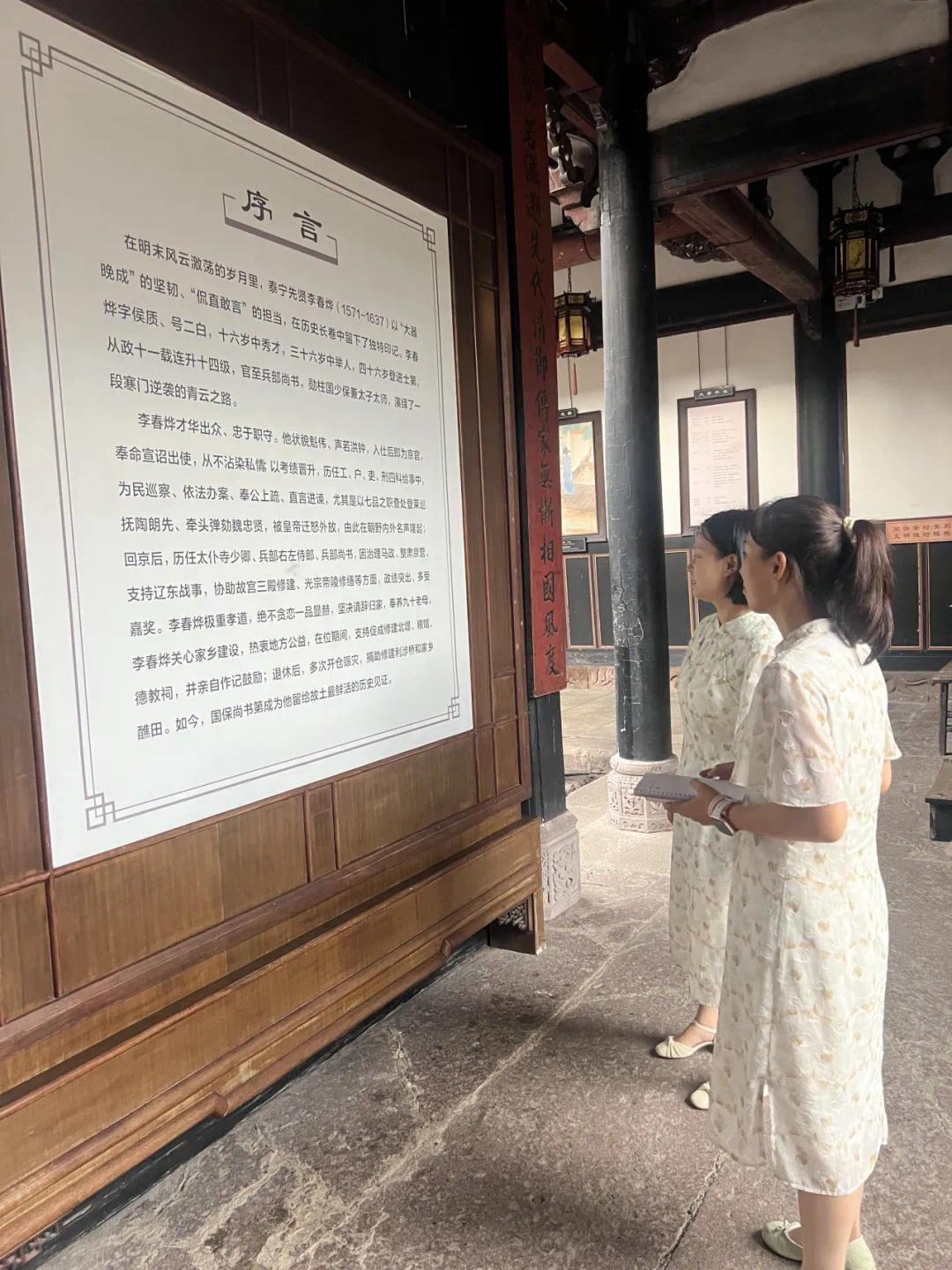
 泰宁县博物馆透露,本次自查共排查出“解元”注音错误,“退休后”用词不当等4处问题。针对排查发现的问题,博物馆坚持立行立改,第一时间落实整改措施,对存在的问题进行修正。下一步,泰宁县博物馆将以本次专项自查整改为抓手,健全展览全流程长效审核机制。

C | 同时主动接受社会各界监督。澎湃新闻注意到,8月20日起,新疆塔城地区博物馆也组织开展了全馆陈列展览内容专项自查校对工作。本次自查覆盖馆内全部基本陈列、常设展览、临时展览,同步对展板文字、展品说明牌、多媒体展示、导览标识、公告提示等公众服务信息逐项核查校对。包括仔细核对展品信息、年代纪年,对标注开展严谨校对;从严检视展板内容表述,确保表述准确规范、导向正确。 塔城地区博物馆介绍,该馆坚持现场实地核查,逐条逐项审定内容,对自查过程中发现的疏漏问题坚持即知即改、立行立改,做到问题动态清零。

D | 畅通观众留言、问题收集渠道,核实内容错误做到及时更正反馈,对存在争议内容进行研判处置。塔城地区博物馆方面将以此次专项自查为契机,进一步加强审核校验制度,完善长效管理机制,持续提升陈列展览内容质量,守牢博物馆展陈内容安全关口。

E | 另外在8月20日,内蒙古自然博物馆召开陈列展览内容审核专项工作部署会议。会议指出,陈列展览是博物馆科普宣传、公共服务的核心窗口,内容准确、规范、严谨是文博工作的基本底线。我馆展陈覆盖地质、古生物、生态、地理等多领域,专业性强、社会关注度高,必须举一反三、从严自查,全面排查整治展陈内容各类问题,坚决杜绝审核不严、监管缺位、整改流于形式等问题。上述会议还强调,全馆各部门要提高政治站位,压实岗位责任,坚持从严核查、彻底整改,实行“馆内审核+外聘专家审核”双重把关机制,全方位保障展陈内容科学性、规范性、权威性。同时固化展前审核、展中监测、常态督查、责任追溯机制,持续提升我馆展陈精细化、专业化管理水平。近期,个别博物馆展览出现文字错误、表述不当等问题,引发社会高度关注。8月19日,国家文物局发出了《关于进一步加强全国博物馆陈列展览内容审核工作的通知》,并于当日挂网公开。其中提到,博物馆主要负责同志应是基本陈列的展览负责人;核实陈列展览内容确有错误的,应在当日内完成更正并做出反馈;博物馆作为责任主体,要对陈列展览内容进行自主审核,不得外包给第三方,更不得委托、转嫁审核责任等。
Current article:http://qzzf8t.tandianxiuzhutiaoshoudiamei.pics/rc737x/bp63l.html
Published on:21:17:15
 情
情 成吉思汗
成吉思汗